What Happens in the Stomach of Corn-fed Cows
One thing I truly love about New Zealand is grass-fed beef by default. Factory farms & CAFOs are virtually unheard of here. Cattle are allowed to roam and graze through lush green paddocks all over the country, resulting in high quality, grass-fed beef at every supermarket!
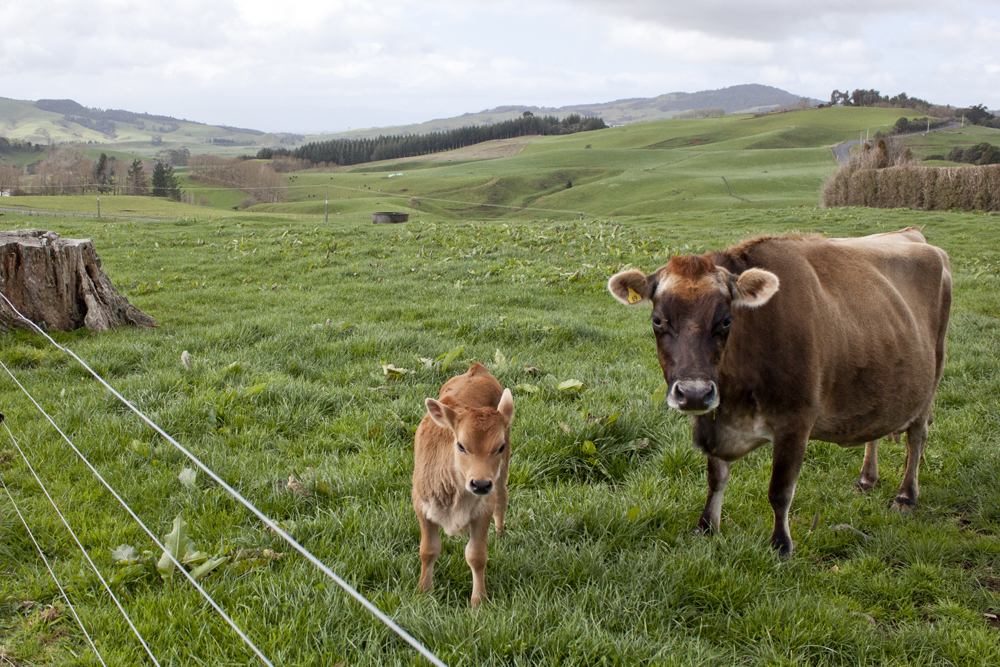
When we stayed in the Wairarapa region (with the same beautiful scenery that I mentioned in my Lose the Shoes post), I spent quite a bit of time devouring back issues of Cuisine magazine. Aside from the fantastic new recipes I’ve now collected, an article on grass-fed vs. grain-fed beef in Issue 129 caught my eye. It does such a great job explaining exactly what happens to cows when they are fed grains that I thought I would re-post it here for you.
Corn-Fed Cows in Digestive Dismay
“Ruminants are not accustomed to eating high-starch foods like corn which upset their digestive system. Cattle create a lot of gas, which they usually expel, but when their diet is high in starch and low in roughage, a layer of foamy slime forms in their great food-processing tank, known as the rumen.
“This slime can trap the gas, so the rumen balloons out, pressing against the animal’s lungs. Unless action is promptly taken to relieve the pressure (usually by ramming a hose down the animal’s throat), the cattle suffocate.
“A corn diet can also generate acidosis. Unlike our highly acidic stomachs, the normal pH of cattle stomachs is neutral. Corn makes then unnaturally acidic. Acidotic animals go off their feed, pant and drool, paw at their bellies and eat dirt. The condition can lead to diarrhea, uclers, bloat, liver disease and a general weakening of the immune system.
“Cattle cannot stay in a feed lot for more than six months, since a sustained maize diet will lead to fatal liver failure. As the acids corrode the stomach wall, bacteria enter the bloodstream and collect in the liver. Hence the use of antibiotics in feed lots, to reduce gas and prevent liver infection. But overuse of antibiotics in the feed lots means bacteria become resistant to them, leading to new, disease-resistant strains, popularly known as super-bugs.”
Wow, right? It breaks my heart to know this happens every single day to thousands of animals. Not only do they have a miserable life, but their meat is incredibly unhealthy for humans to consume when they’re fed a corn-based diet.
Grass-fed meat, on the other hand, contains loads more conjugated linoleic acid (CLA) and healthy saturated fats that protect from cancer and improve brain & nervous system function. Grass-fed cows are also able to move around the paddock for exercise and fresh air, and they don’t have to stand around in their own poop. (Nasty, eh?) It’s worth the extra effort (and sometimes money) to seek out grass-fed meat from cows that have lived a happy life. Not only is it better for the cow’s health and yours–it tastes better too!
This post is linked to Sunday School, Monday Mania
Comments are closed.
5 Things We Will Miss Most About New Zealand | There and Back Again
November 3, 2011 at 6:37 pm[…] New Zealand’s meat and dairy industry isn’t perfect by any stretch of the imagination, but not having to worry about unnecessary antibiotics, steroids, incredibly harsh living conditions, and an unhealthy diet for the cows here has been fantastic! CAFOs (confined animal feed operations) aren’t allowed for cattle in New Zealand. For just one of the many reasons why grass-fed beef is better not only for the animals, but for the health of the people who consume it, here’s a blog post I wrote on Laurel of Leaves about what happens in the stomach of a corn-fed CAFO cow. […]
Sunday School: Real Food Link Love + Blog Carnival #4 | Butter Believer
November 13, 2011 at 5:03 am[…] Happens in the Stomach of Corn-Fed Cows by Laurel of Leaves: Poor CAFO cows! You’ll be so saddened to read about what happens to cows fed an unnatural […]
Heather @ Life, gluten free
November 30, 2011 at 11:55 pmWow! So glad we buy grass-feed. I knew it was healthier for all involved, but I enjoyed your article to learn more.
patriot1
April 15, 2012 at 8:55 pmI never knew that cows suffered this way. I only buy grass fed beef. Thank you for enlightening me.
A Vegan Diet is Not Healthy
June 22, 2012 at 10:28 pm[…] knee deep in their own poop, and being pumped full of hormones and antibiotics, and being fed a completely abnormal diet of corn and candy wrappers will produce some nasty meat that can absolutely cause disease in your body. Same thing goes for […]
3 Reasons Eating Local is Even Better Than Organic | Modern Alternative Kitchen
August 7, 2012 at 9:31 am[…] Not to mention, if you seek out local, sustainably raised meat like grass-fed beef or pastured chicken, you’ll be able to see first hand the living conditions and subsequent health of the animals. Which translates directly to the nutritional content of that meat as well. Take beef for instance. Grass-fed, pasture raised beef contains 200-500% more CLA (conjugated linoleic acid) than factory farmed beef (often referred to as CAFO – confined animal feeding operation). That’s an incredible statistic when you realize that CLA is a powerful cancer and disease-fighting fatty acid. There are much higher levels of antioxidants like beta-carotene, vitamin A, vitamin B, vitamin C, and vitamin E. Plus, they will be free of hormones and antibiotics. And in case you were wondering, organic beef is not the same thing as grass-fed beef! CAFO factory farms can offer organic beef as long as their feed is organic. But they feed the cattle and unnatural diet of corn, which the cows will gobble up, but it’s not good for them (check out what happens in the stomach of a corn fed cow). […]
Do Your Cows Eat Grass? | Modern Alternative Kitchen
November 6, 2012 at 2:28 am[…] to know what happens in the stomachs of corn-fed cows? Check out this post by MAK contributor Lori from Laurel of Leaves. Scary […]
Taylor
December 29, 2012 at 8:12 pmWhilst a blog is a blog, I feel that you are promoting skewed facts here. I am an undergraduate animal scientist with a fairly in depth knowledge of animal production, anatomy and nutrition and the paper you have quoted here comes very much out of context, and of course supports all the points you make when you twist it every which way. For example,did you know that lush pastures can also cause bloat and acidosis? These conditions are not limited to feedlots and depend entirely on how intelligent and experienced the people who manage the cattle are. In addition, you leave out a lot of important information, e.g. that corn fed beef also contains CLAs, just in slightly lower concentrations. So I would advise you to do some in depth reading of peer reviewed papers before presenting what looks like an informative highlights reel.
Also, the cow you have pictured is a Jersey, which is a dairy breed…
Kayla
December 15, 2018 at 9:53 amI encourage you to visit a feedlot. There are many different rations managed by a doctor fed to the cattle. Most of them are high roughage (hay, grass) and the corn is flaked and the exact moisture is measured every time. That is to insure the cattle are receiving exact nutrient requirements for their “body type”. On grass fed operations cattle take way longer to finish and get to a harvest weight so they take more resources such as water. If everyone went grass fed and feedlots weren’t allowed, there wouldn’t be enough land to grow food and millions would starve. Bloat and acidosis occur whenever an animals diet is not right and their rumen bacteria are off, this actually happens more on grass fed operations when cattle are turned out on new spring grass. It is rare in a feedlot because besides a nutritionist regulating their diet, they also get health checked everyday. Feedlots are very concerned about the use of antibiotics and actually started a sustainability round table that is addressing how they can become more efficient with resources and use even less water and antibiotics. We produce the same about of beef today with 30% less cattle and more of the world is eating this animal protein today and with the population growing, the only way we are producing more with less is through better genetics and feedlots. Also most marbling is genetic, it’s a very heritable trait, so we don’t shove corn into them to get that flavor that grass fed beef lacks. Please stop spreading misinformation, it hurts people who are doing their best to feed the world.